How to Prove the Date of an Invention
By BlockchainSignPublished
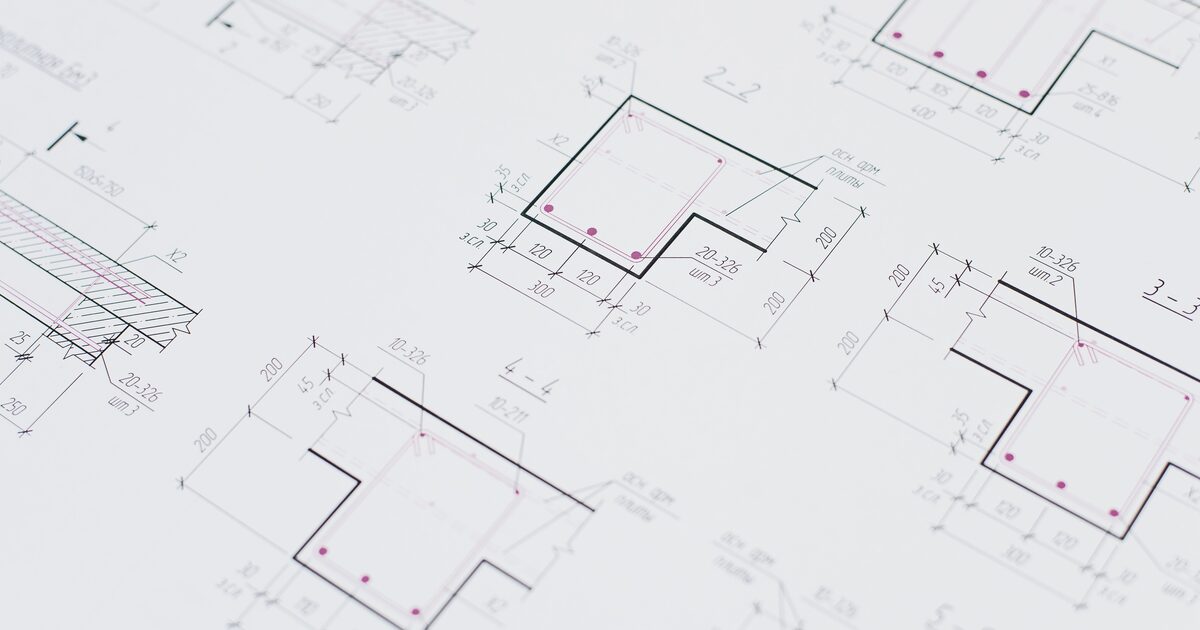
For inventors, dates are everything. Whether you're racing to file a patent or defending against a claim, being able to show when you had a working concept can decide who owns it. Here's how invention dating works today and how to keep solid records.
First-to-file changed the game
The U.S. moved to a first-to-file system under the America Invents Act. In practice, the date you file your patent application is what usually controls priority — not the date you first thought of the invention. So the single most important step is filing promptly, often starting with a provisional patent application to lock in an early filing date.
Where dated records still matter
Even under first-to-file, contemporaneous records remain valuable:
- Provisional applications establish a priority date for what they disclose — so dated proof of what you had when supports your filing.
- Prior art and disputes can turn on showing your design existed before a competitor's public disclosure.
- Inventor's notebooks have always been used to document the progression of an idea.
Modernizing the inventor's notebook
The classic advice — keep a dated, witnessed lab notebook — exists because you need credible, unalterable records. A blockchain timestamp is a natural upgrade: hash your design documents, drawings, CAD files, or notebook scans and record the fingerprint on-chain. You get a tamper-proof, dated record that those exact files existed on that date, without exposing their contents (only the hash is public).
A practical routine
As you develop an invention, timestamp each meaningful milestone — the first working drawing, the spec, test results — and file a provisional application when you're ready. The timestamps document your progression; the filing secures your priority date. Used together, they give you both the legal position and the evidence trail.
You can timestamp your invention documents in minutes and keep a lifetime certificate for each milestone.